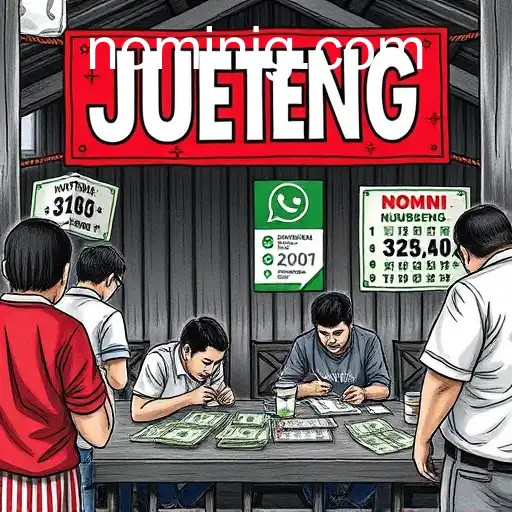
Understanding Jueteng: An Overview
In the vibrant socio-economic landscape of the Philippines, few issues are as deeply rooted and controversial as Jueteng. This illegal numbers game has, for decades, been an entrenched part of Filipino society, influencing politics, fueling economic dynamics, and stirring much public debate. Jueteng is so deeply woven into the fabric of local culture and economy that eliminating it poses significant challenges for governance and law enforcement. An essential player in this realm is Nomini, a term often associated with the orchestration or involvement in Jueteng operations.
The Mechanics of Jueteng
Jueteng is a betting game that traces its roots back to the Spanish colonial period. It typically involves a pair of numbers drawn at random from a list, and participants wager small amounts of money on the winning combination. The simplicity and accessibility of Jueteng have enabled its proliferation, despite its illegal status.
The game operates as a shadow economy, employing thousands of local individuals who serve as cobradors (collectors) and kubradors (draw coordinators). These grassroots-level roles are critical in maintaining the extensive network required to execute Jueteng thoroughly within communities.
Nomini: The Strategic Player
At the top of this intricate framework are figures known as Nomini. These individuals are not merely high-stake bettors but are often pivotal in managing and facilitating the operations of Jueteng. Nomini act as intermediaries, connecting the grassroots operations with powerful political backers and financiers who ensure the game’s presiding influence, all while maintaining a low profile to shield themselves from legal repercussions.
The involvement of Nomini often transcends mere operational management. They may be tasked with money laundering, distributing winnings, and forging strategic alliances with local law enforcement, thereby guaranteeing the continuous flow of operations. Such roles highlight how Jueteng is not merely a game of chance, but a sophisticated enterprise steeped in complex socio-political frameworks.
Jueteng’s Political Influence
The influence of Jueteng extends far beyond its immediate economic impact. It has long been a critical factor in the local political landscape. Politicians may openly decry Jueteng during campaigns but often rely on its profits to fund electoral campaigns or secure grassroots support. Allegations of Jueteng connections have tainted numerous political careers, yet its deep-seated network remains resilient.
The dual nature of Jueteng as both a political liability and an asset is what makes it particularly resistant to eradication. Interventions often focus on short-term crackdowns that result in temporary disruptions rather than lasting solutions. Meanwhile, Nomini continue to exercise control, stabilizing the operations and ensuring continuity amidst these crackdowns.
Social and Economic Implications
Economically, Jueteng provides livelihood for a significant portion of the population. In areas where employment opportunities are scarce, the income generated by participating in Jueteng operations can be a vital economic lifeline. Moreover, the small stakes involved make it an attractive form of entertainment and potential revenue for everyday Filipinos.
However, the downside of such economic dependencies is the pervasive poverty trap that Jueteng represents. By siphoning off meager finances from communities and offering minimal returns, it perpetuates a cycle of poverty for many players. The varying roles within Jueteng, from cobradors to Nomini, illustrate a clear stratification of economic power further exacerbated by the game’s pervasive influence.
Cultural Dimensions
The cultural aspects of Jueteng are equally significant. It has become part of the social fabric, particularly in rural and economically marginalized communities. The allure of transforming a few pesos into substantial winnings fosters participation despite its known illegal status.
Traditionally, Jueteng has been synonymous with hope and chance within these communities—a way to secure a windfall in a system where opportunities are few and far between. This cultural integration of Jueteng is one of the reasons why attempts at eradication often face resistance from local populations who view the game as part of their community heritage.
Challenges and Future Outlook
Efforts to curb Jueteng face numerous obstacles. Corruption within enforcement agencies, the socio-economic benefits it provides, and the complex web of political connections facilitated by Nomini make it a challenging adversary. Additionally, the lack of alternatives for both employment and recreation keeps Jueteng deeply entrenched in society.
Addressing Jueteng requires not only law enforcement initiatives but a multifaceted approach that encompasses poverty alleviation, community education, and the creation of legitimate opportunities for economic upliftment. Furthermore, understanding the role of Nomini and disrupt the critical nodes of operation will be vital in dismantling the systemic structure supporting Jueteng.
As the narrative of Jueteng unfolds, it remains a potent example of how a simple game has evolved into a complex socio-economic and political entity, challenging the nation's collective efforts towards legality, governance, and development.